Falconry: A Historical Relationship Found in the Genes
There are bonds between humans and animals that transcend training. They are written not in habit, but in heritage — passed down through generations so quietly that we mistake instinct for choice. Falconry is one of those bonds.
A Partnership Older Than Civilization
Falconry is among the oldest recorded relationships between humans and a wild creature. Dating back over 4,000 years to the steppes of Central Asia and the courts of ancient Persia, it was never merely a hunting technique. It was a language — one spoken between a human hand and a raptor's eye, refined across millennia into something approaching mutual understanding.
The earliest falconers did not domesticate the falcon. They entered into a negotiation with it. The bird remained wild, sovereign, and free to leave. And yet it returned. That voluntary return — that choice — is what made falconry sacred.
Written Into the Blood
Modern science has begun to illuminate what ancient falconers understood intuitively: that certain behavioral tendencies are heritable. Raptors bred across generations in falconry traditions show measurable differences in temperament, trainability, and human tolerance compared to their wild counterparts. The relationship has shaped the bird as much as the bird has shaped the practice.
For the falconer, the pull is equally deep. Across cultures — Arabian, Mongolian, Persian, European — falconry was not adopted casually. It was inherited. Fathers passed birds to sons. Tribes passed techniques to tribes. The knowledge lived in the hands before it lived in books.
There is growing ethnographic evidence that in cultures where falconry has persisted for centuries, the affinity for raptors is not merely cultural — it is familial, almost biological in its transmission. Children raised around falcons develop an ease with them that outsiders rarely replicate, no matter how dedicated.
UNESCO and the Living Heritage
In 2016, UNESCO inscribed falconry on its Representative List of Intangible Cultural Heritage of Humanity — a recognition spanning 18 nations. The inscription acknowledged something profound: that falconry is not a relic. It is a living tradition, still practiced by an estimated 10,000 falconers worldwide, from the deserts of the Arabian Peninsula to the highlands of Kazakhstan.
In the Arab world particularly, falconry carries a weight that goes beyond sport. It is identity. The falcon appears on the UAE's coat of arms. In Qatar, Saudi Arabia, and Kuwait, falconry festivals draw thousands. The birds are not pets — they are companions of status, symbols of patience, precision, and nobility.
The Falcon's World, Elevated
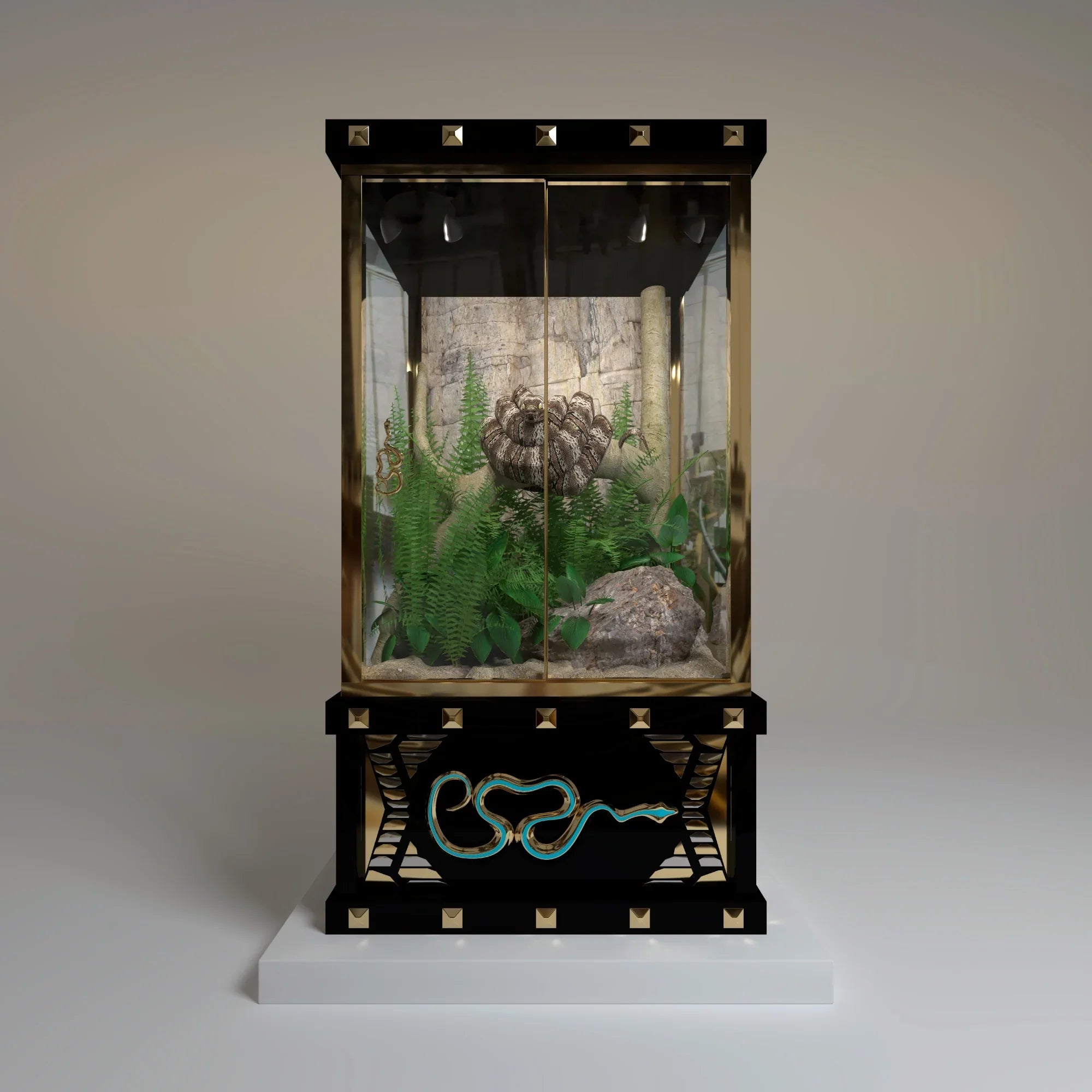
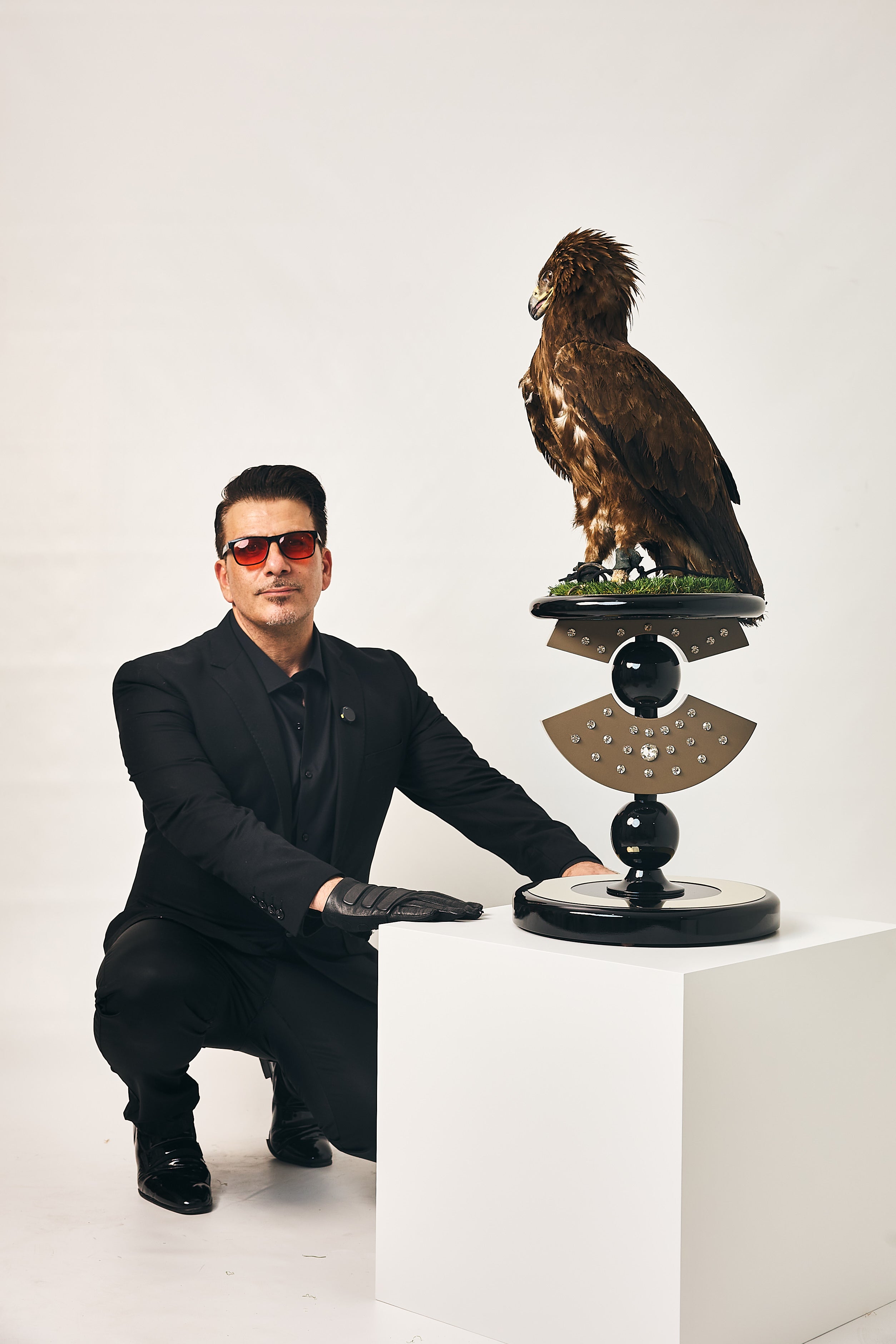
At Furoar, we understand that a falcon is not simply housed — it is honored. The environments we create for these extraordinary birds are designed with the same reverence that falconers have brought to their craft for thousands of years. Bespoke perches, architecturally considered enclosures, materials chosen for both function and beauty.
Because a bird that has been a king's companion for four millennia deserves nothing less.
The Bond Continues
What makes falconry remarkable is not its antiquity — many ancient practices have faded. What makes it remarkable is its persistence. Generation after generation, across continents and centuries, humans have looked skyward at a falcon in flight and felt something ancient stir. A recognition. A pull.
Perhaps it is, quite literally, in the genes.